
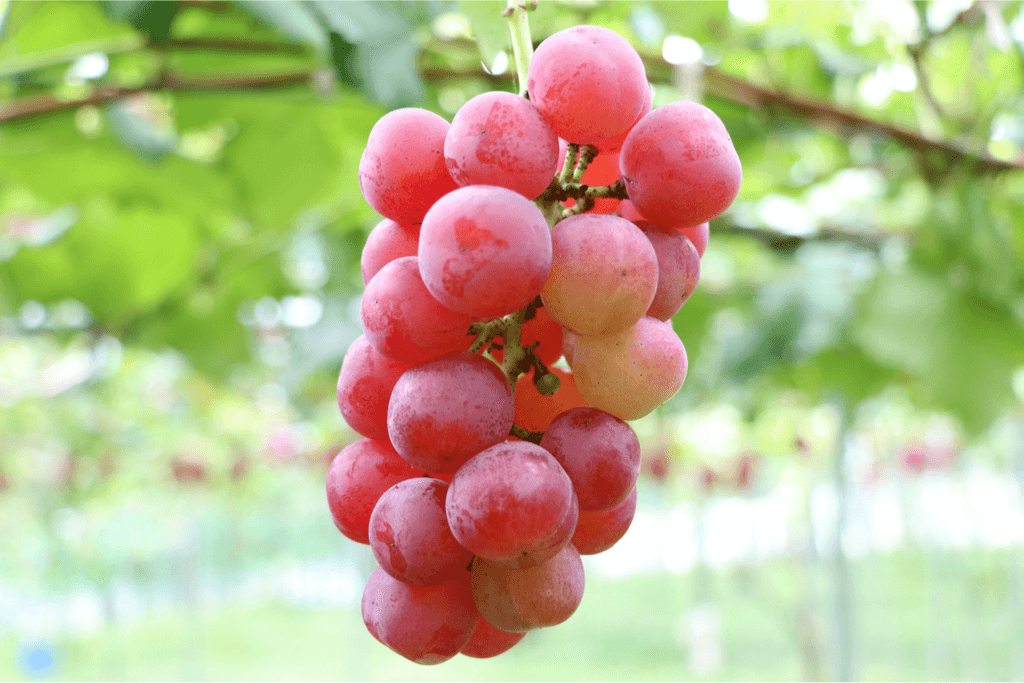
Modern agriculture is rapidly evolving with the integration of digital technologies and smart farming systems. Farmers today face increasing pressure to maximize productivity while using resources efficiently. Digital agriculture provides tools that help monitor crop growth, optimize nutrient application, and improve soil and plant health in real time.
By combining technology with effective crop nutrition, farmers can achieve higher yields and sustainable farming outcomes.
What is Digital Agriculture?
Digital agriculture involves using advanced tools and data-driven insights to improve farming practices. Key components include:
Satellite monitoring and drones for crop health assessment
Soil and weather sensors for real-time environmental data
Farm management software to plan irrigation and fertilization schedules
These systems allow precise monitoring and timely intervention, ensuring crops receive the right nutrients at the right time.
Precision Nutrition for Better Crop Performance
Precision agriculture goes hand-in-hand with targeted nutrient management. Balanced crop nutrition improves plant resilience, nutrient uptake, and yield potential.
Specialty NPK fertilizers provide essential macronutrients in the right ratios for different crop types.
Liquid fertilizers support rapid absorption and uniform distribution, making them ideal for fertigation systems.
Chelated micronutrients correct deficiencies efficiently, enhancing plant metabolism and stress tolerance.
Biostimulants improve root development and overall plant vigor, supporting crops under variable conditions.
These products allow farmers to implement nutrient strategies that are both effective and resource-efficient.
Advantages of Digital and Smart Farming Systems
Smart agriculture offers several benefits:
Optimized nutrient application, reducing overuse and fertilizer waste
Improved crop monitoring, identifying nutrient deficiencies or stress early
Higher productivity, through precise interventions based on data
Sustainable practices, minimizing environmental impact and supporting soil health
Digital tools, combined with high-quality fertilizers and crop nutrition products, help farmers meet global demand for food while maintaining sustainable practices.
Integration with Fertigation and Controlled Systems
Digital agriculture also supports fertigation and greenhouse operations, where nutrient application must be precise. Products such as liquid NPK fertilizers, chelated micronutrients, and biostimulants can be integrated into automated irrigation systems to deliver nutrients directly to the root zone, ensuring maximum efficiency and crop response.
This approach minimizes nutrient loss, saves water, and promotes uniform plant growth—key priorities for modern, technology-driven farms.
Future of Digital Farming
As technology continues to advance, artificial intelligence, machine learning, and automated monitoring systems will play an increasing role in agriculture. Farmers will be able to combine real-time data with tailored crop nutrition strategies, achieving both higher efficiency and more sustainable production.
Precision nutrient management supported by advanced products ensures that modern agriculture remains productive, efficient, and environmentally responsible.
Conclusion
Digital agriculture and smart farming technologies are transforming modern crop management. By combining data-driven insights with precise nutrient solutions, farmers can improve productivity, enhance plant health, and support sustainable farming practices.
Products such as specialty NPK fertilizers, liquid fertilizers, chelated micronutrients, and biostimulants are essential components of this integrated approach, ensuring crops perform optimally in diverse environments.
10. Soil Microbial A