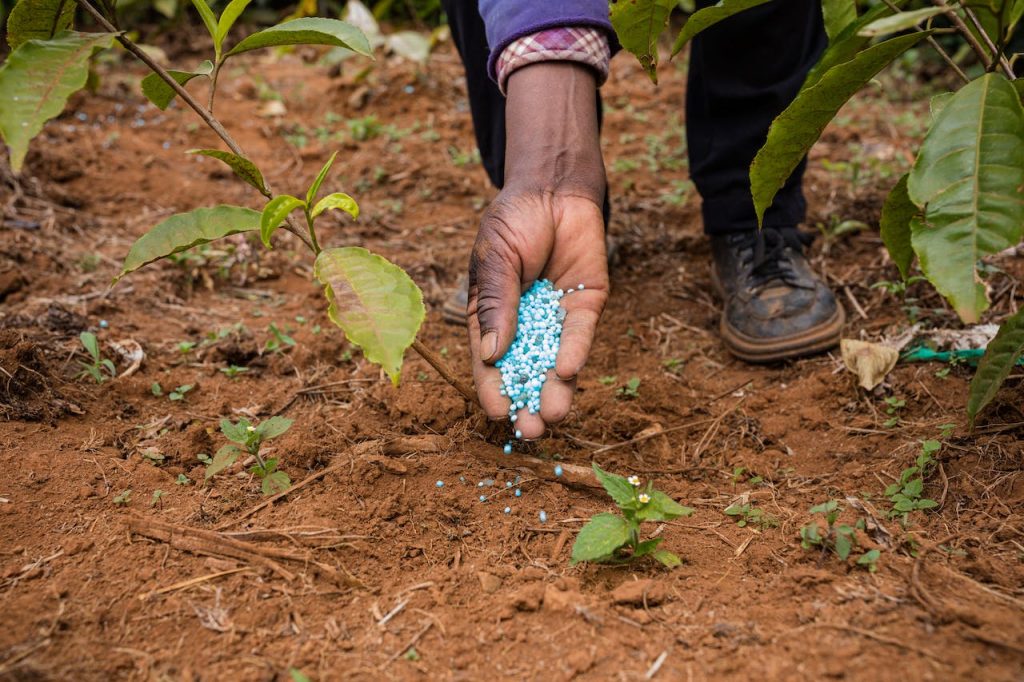
Modern agriculture is increasingly focused on improving crop productivity while maintaining soil health and environmental sustainability. Farmers and agricultural professionals are adopting advanced crop nutrition strategies that help plants grow more efficiently and tolerate environmental stress.
One important development in this area is the growing use of biostimulants. These products support natural plant processes and help improve nutrient uptake, root development, and overall plant performance.
Biostimulants are now widely used as part of modern crop nutrition programs alongside fertilizers and micronutrients. Their ability to enhance plant health and support sustainable farming practices has made them an important component of modern agriculture.
What Are Biostimulants?
Biostimulants are agricultural products that help stimulate natural biological processes in plants. Unlike fertilizers, which provide nutrients directly, biostimulants help plants use available nutrients more efficiently.
They can improve plant performance by supporting several important physiological functions.
Biostimulants are commonly used to promote:
Improved root growth
Better nutrient absorption
Enhanced plant metabolism
Increased tolerance to environmental stress
These benefits help crops grow stronger and perform better under different agricultural conditions.
Role of Biostimulants in Crop Development
Plants often face various environmental challenges such as drought, temperature fluctuations, and soil nutrient limitations. Biostimulants help plants manage these challenges by improving their natural resilience.
One of the key benefits of biostimulants is their ability to stimulate root development. Strong root systems allow plants to absorb water and nutrients more effectively from the soil.
Biostimulants can also support important plant processes such as enzyme activity, nutrient transport, and metabolic functions. This helps improve overall plant vigor and crop productivity.
Supporting Nutrient Efficiency
Efficient nutrient use is an important goal in modern agriculture. Even when fertilizers are applied correctly, plants must be able to absorb and utilize those nutrients effectively.
Biostimulants help improve nutrient efficiency by supporting plant metabolism and root activity. When plants are able to absorb nutrients more effectively, fertilizer efficiency improves and crop performance is enhanced.
For this reason, biostimulants are often used alongside fertilizers, micronutrients, and balanced crop nutrition programs.
Biostimulants in Sustainable Farming
Sustainability is becoming a key priority in global agriculture. Farmers are looking for solutions that improve productivity while protecting soil health and natural resources.
Biostimulants contribute to sustainable agriculture by helping plants perform better without increasing fertilizer input. By improving nutrient uptake and plant resilience, these products support more efficient farming systems.
They are commonly used in modern farming practices such as:
Precision agriculture
Fertigation systems
Greenhouse cultivation
High-value crop production
Their compatibility with modern crop management practices makes them a valuable tool in sustainable agriculture.
Benefits of Biostimulants in Modern Agriculture
Biostimulants offer several practical advantages for crop production.
Improved plant growth
Biostimulants stimulate natural plant processes that support stronger plant development.
Better nutrient uptake
Plants are able to absorb and utilize nutrients more efficiently.
Enhanced stress tolerance
Biostimulants help plants cope with environmental stress conditions.
Support for sustainable farming
They contribute to improved agricultural productivity while promoting responsible nutrient management.
Conclusion
As agriculture continues to evolve, farmers are increasingly adopting advanced solutions that support both productivity and sustainability. Biostimulants play an important role in this transition by helping plants grow more efficiently and withstand environmental challenges.
By improving nutrient uptake, supporting plant metabolism, and promoting stronger root systems, biostimulants contribute to healthier crops and more efficient farming practices.
Their growing adoption highlights the importance of integrating innovative crop nutrition solutions into modern agricultural systems.